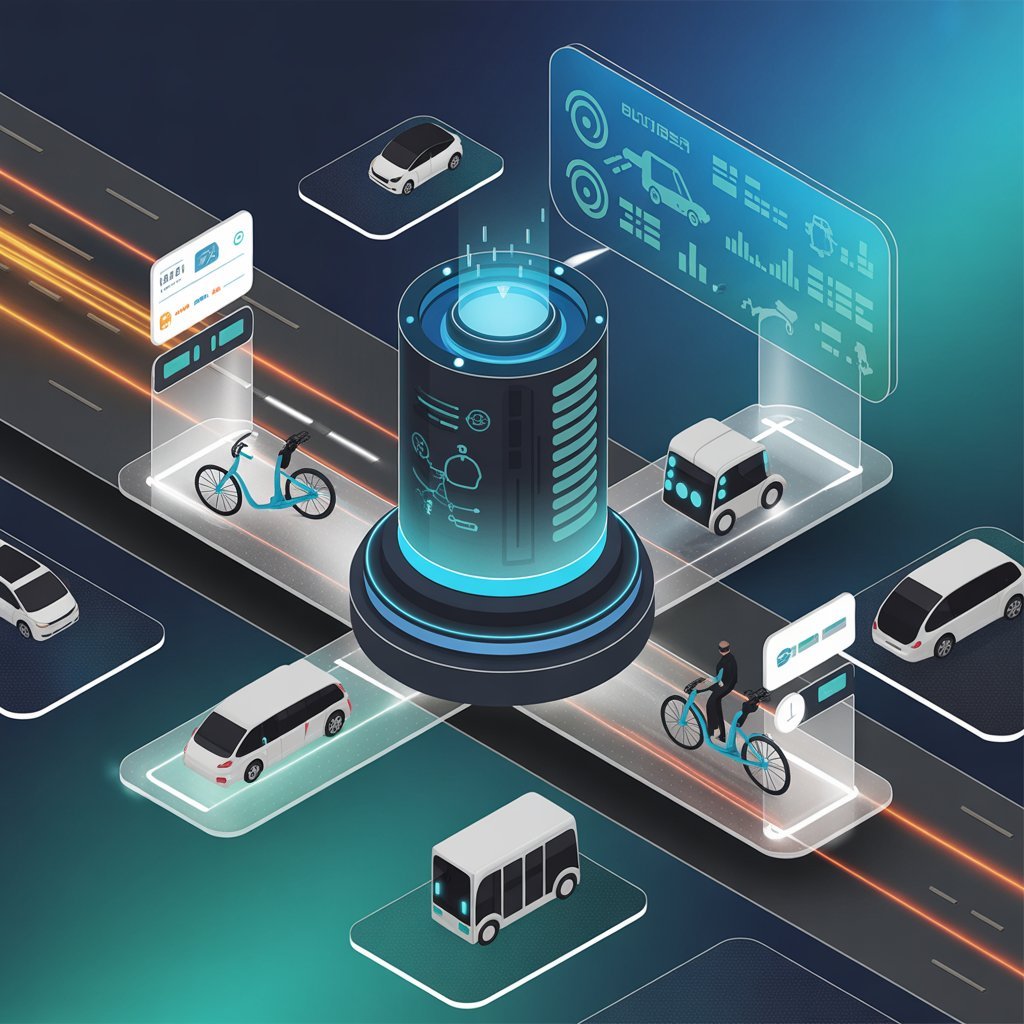
The Mobility Services Engine. Transportation in the United States is changing fast. From ride-sharing apps to electric scooters and smart buses, technology is transforming how people move from one place to another. At the center of this transformation is something called the Mobility Services Engine.
But what exactly is a Mobility Services Engine? Why is it important? And how is it shaping the future of transportation in the USA?
In this detailed guide, we will explain everything in simple and easy English so anyone can understand.

What Is a Mobility Services Engine?
A Mobility Services Engine is a digital platform or software system that connects different transportation services into one smart system.
Think of it as the “brain” behind modern transportation networks. It manages:
Ride-sharing services (like Uber or Lyft)
Public transportation (buses, trains)
Electric vehicle (EV) charging networks
Car rentals and car-sharing
Fleet management systems
Micromobility (e-scooters, bikes)
Instead of using separate apps and systems, a Mobility Services Engine combines everything into one smooth, connected experience.
http://2026 Kawasaki Ninja ZX-10R Launched: Race-Bred Power with Premium Technology
Why Mobility Services Engine Is Important in the USA
The United States has large cities, long highways, and millions of daily commuters. Traffic congestion, pollution, and rising fuel costs are serious challenges.
Here’s why Mobility Services Engine is important:
1. Reduces Traffic Congestion
Smart systems analyze traffic data in real-time and suggest better routes. This reduces road congestion and saves time.
2. Supports Smart Cities
Many US cities like New York, Los Angeles, and Chicago are moving toward smart city solutions. Mobility engines help integrate public and private transportation.
3. Promotes Sustainable Transportation
By supporting electric vehicles and shared rides, it reduces carbon emissions and improves air quality.
4. Improves User Experience
Instead of switching between apps, users can plan, book, and pay for transportation in one place.
How Mobility Services Engine Works
Let’s break it down in simple steps:
Step 1: Data Collection
The system collects data from:
GPS devices
Traffic sensors
Ride requests
Weather reports
Public transit schedules
Step 2: Data Analysis
Using AI and cloud computing, the system analyzes this data in real-time.
Step 3: Smart Decision Making
It then:
Suggests fastest routes
Matches drivers with riders
Optimizes fleet distribution
Predicts demand
Step 4: User Interaction
Users access services through mobile apps, websites, or integrated city platforms.
Everything works automatically in the background.
Key Features of Mobility Services Engine
Here are the most important features:
Real-Time Route Optimization
It helps drivers avoid traffic and reach destinations faster.
Multi-Modal Integration
Users can combine bus + train + ride-share in one trip.
Secure Payment Gateway
Safe and secure online payments.
AI-Based Demand Prediction
The system predicts busy hours and adjusts resources.
Fleet Management
Companies can monitor vehicles, fuel usage, maintenance, and driver performance.
Mobility Services Engine and Ride-Sharing in the USA
Ride-sharing companies in the USA depend heavily on mobility engines.
For example:
Matching drivers with nearby passengers
Surge pricing during high demand
Reducing waiting times
Improving driver earnings
Without advanced mobility systems, large-scale ride-sharing would not be possible.
Role in Electric Vehicle (EV) Growth
The USA is rapidly adopting electric vehicles.
Mobility Services Engine helps by:

Showing nearest charging stations
Monitoring battery levels
Optimizing charging schedules
Managing EV fleets
As the US government supports clean energy initiatives, mobility engines will become even more important.
Mobility Services Engine for Businesses
It is not only for cities. Businesses also benefit greatly.
Logistics Companies
They use it to:
Track deliveries
Optimize shipping routes
Reduce fuel costs
Corporate Fleets
Companies managing company cars can:
Monitor driver behavior
Schedule maintenance
Reduce operational expenses
Healthcare Transport
Hospitals use smart mobility systems to manage patient transport services.
Benefits for US Cities
Here’s how American cities benefit:
✔ Lower Emissions
Shared rides reduce the number of vehicles on roads.
✔ Better Public Transit
Real-time tracking improves reliability.
✔ Cost Savings
Smart planning reduces fuel and infrastructure costs.
✔ Increased Safety
AI systems detect unusual driving patterns and prevent accidents.
Challenges of Mobility Services Engine
While the system offers many benefits, there are challenges:
Data Privacy Concerns
User location data must be protected carefully.
High Implementation Cost
Developing and maintaining advanced systems requires investment.
Technology Integration Issues
Older transport systems may not integrate easily.
However, with proper regulations and cybersecurity measures, these challenges can be managed.
The Future of Mobility Services Engine in the USA
The future looks very promising.
In the coming years, we can expect:
Autonomous Vehicles Integration
Self-driving cars will depend heavily on smart mobility engines.
Fully Integrated Mobility Apps
One app for all transportation needs.
Green Transportation Growth
More focus on sustainability and zero-emission transport.
Advanced AI Systems
Smarter traffic control and predictive mobility systems.
By 2030, experts believe that Mobility as a Service (MaaS) powered by Mobility Services Engine will become standard in major US cities.
Why Businesses Should Invest in Mobility Services Engine
If you are a transportation startup, fleet operator, or city planner, investing in Mobility Services Engine can provide:
Higher operational efficiency
Increased customer satisfaction
Reduced operational costs
Competitive advantage
Data-driven decision making
Technology is no longer optional in transportation—it is necessary.
Frequently Asked Questions (FAQs)
1. What is Mobility Services Engine used for?
It is used to manage, integrate, and optimize different transportation services through a smart digital system.
2. Is Mobility Services Engine only for big cities?
No. It can be used in small cities, businesses, universities, and corporate campuses.
3. How does it help reduce traffic?
By analyzing real-time data and suggesting optimized routes and shared rides.
4. Is it safe to use?
Yes, when proper cybersecurity and data protection measures are applied.
5. Does it support electric vehicles?
Yes. It helps manage EV charging, routing, and fleet optimization.
Final Thoughts
The Mobility Services Engine is changing the way Americans travel. From ride-sharing and public transport to electric vehicles and smart cities, it plays a powerful role in modern transportation systems.
As technology continues to grow, smart mobility solutions will become even more advanced. For businesses, city planners, and technology providers in the USA, adopting Mobility Services Engine is not just an option — it is the future.


Hi, I’m Shan, the Admin behind MKNK. I’m passionate about smartphones and automobiles, and I enjoy researching new technology, vehicle launches, and market updates. I started MKNK to share reliable information, practical insights, and easy-to-understand guides for everyday users. I focus on accuracy, originality, and real value so readers can trust what they read and make informed choices.