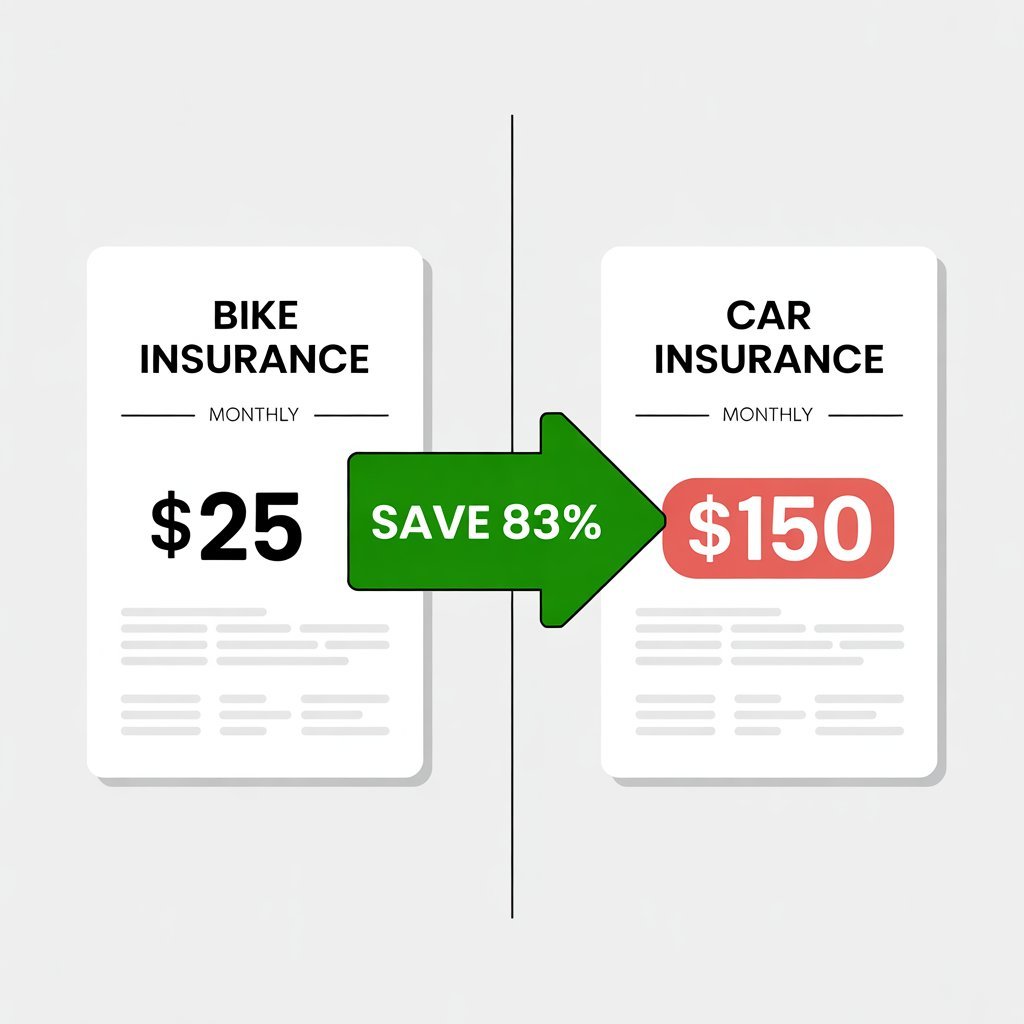
Many people in the United States ask this simple question:
Is bike insurance cheaper than car insurance?
The short answer is:
👉 Yes, in most cases motorcycle insurance is cheaper than car insurance.
But there is more to understand.
In this guide, we will explain everything in simple English so it’s easy to understand. We will compare costs, coverage, risks, and what affects your insurance rates in the USA.
Understanding the Difference Between Bike and Car Insurance
Before comparing prices, let’s understand what each insurance type covers.
Motorcycle (Bike) Insurance Covers:
Liability (damage to others)
Collision damage
Comprehensive (theft, fire, vandalism)
Medical payments
Uninsured motorist
Accessory coverage
Car Insurance Covers:
Liability
Collision
Comprehensive
Medical payments
Uninsured motorist
Rental car coverage
Both are similar, but motorcycles are smaller, lighter, and usually cost less to repair than cars. That’s one big reason for lower premiums.
Average Cost in the USA
Let’s look at general numbers.
Motorcycle Insurance Average:
$200 – $800 per year
Some basic policies as low as $100 per year
Car Insurance Average:
$1,200 – $2,500 per year
In some states, even higher
As you can see, motorcycle insurance is usually much cheaper.
Why Is Bike Insurance Usually Cheaper?
There are several reasons.
1 Lower Vehicle Value
Motorcycles usually cost less than cars. Insurance companies charge premiums based on vehicle value.
2 Less Property Damage
Motorcycles cause less damage to other vehicles compared to cars or trucks.
3 Seasonal Use
Many Americans only ride motorcycles in warmer months. Less usage means lower risk.
4 Smaller Repair Costs
Repairs are often less expensive than major car repairs.
But Why Can Bike Insurance Sometimes Be Expensive?
Motorcycles are riskier to ride.
According to U.S. safety reports, motorcycle riders face higher injury risk compared to car drivers.
Because of that:
Medical coverage may cost more
Sport bikes cost more to insure
Younger riders pay higher premiums
So while average insurance is cheaper, it depends on many factors.
Factors That Affect Insurance Cost in the USA
Whether you insure a bike or a car, insurance companies look at:
Location
If you live in high-traffic states like California or Florida, rates may be higher.
Age
Young drivers under 25 usually pay more.
Driving Record
Clean record = lower cost
Accidents or tickets = higher cost
Type of Motorcycle
Sport bikes = higher insurance
Cruisers = cheaper insurance
Type of Car
Luxury cars cost more to insure than economy vehicles.
Comparing Coverage Costs Side by Side
| Feature | Motorcycle Insurance | Car Insurance |
|---|---|---|
| Average Cost | Lower | Higher |
| Liability | Required | Required |
| Collision | Optional | Optional |
| Medical Risk | Higher injury risk | Lower injury risk |
| Repair Cost | Lower | Higher |
| Theft Risk | Moderate | Moderate |
Overall, motorcycles are cheaper to insure, but injury risk is higher.
When Car Insurance May Be Cheaper
There are rare cases where car insurance can be cheaper:
If you own a very cheap, older car
If your motorcycle is a high-performance sport bike
If you are a young rider
For example, insuring a 600cc sport bike may cost more than insuring an old sedan.
State Laws Matter
Insurance rules differ by state.

For example:
Texas requires minimum liability coverage.
New York has higher minimum requirements.
Higher minimum coverage = higher premium.
So your state plays a big role.
Is Full Coverage Worth It for a Motorcycle?
If your bike is new or financed, full coverage is recommended.
Full coverage includes:
Liability
Collision
Comprehensive
If your motorcycle is old and low value, liability-only may be enough.
How to Lower Your Insurance Costs
Whether bike or car, you can reduce insurance by:
✔ Keeping a clean driving record
✔ Taking safety courses
✔ Choosing higher deductibles
✔ Bundling policies
✔ Installing anti-theft devices
Many insurers offer discounts for safe riding courses.
Insurance Companies and Pricing
Major insurance providers in the USA include:
GEICO
Progressive Corporation
State Farm
Some companies are known for competitive motorcycle rates.
Always compare quotes before deciding.
Which Is Better Financially?
Let’s compare long-term costs.
Motorcycle:
Lower insurance
Better fuel economy
Lower purchase price
But higher injury risk
Car:
Higher insurance
More safety features
More weather protection
More passenger space
If you only want lower insurance cost, motorcycles usually win.
If you want safety and family use, cars are better.
Pros and Cons Summary
Motorcycle Insurance Pros:
✔ Cheaper premiums
✔ Lower vehicle cost
✔ Good for single riders
Motorcycle Insurance Cons:
Higher injury risk
Seasonal use
Weather limitations
Car Insurance Pros:
✔ Safer vehicle
✔ Family-friendly
✔ All-weather use
Car Insurance Cons:
Higher premiums
Higher repair costs
Frequently Asked Questions
Is motorcycle insurance always cheaper?
In most cases, yes. But sport bikes and young riders may pay more.
Why do motorcycles cost less to insure?
Lower vehicle value and less property damage risk.
Is motorcycle insurance required in all states?
Most states require minimum liability coverage.
Can I bundle bike and car insurance?
Yes. Many insurers offer discounts for bundling.
Final Verdict: Is Bike Insurance Cheaper Than Car Insurance?
In the United States, motorcycle insurance is usually cheaper than car insurance.
However, the final price depends on:
Your age
Your driving history
Your state
Type of vehicle
Coverage level
If your goal is to save money on insurance, a motorcycle often costs less.
But if your goal is maximum safety and family convenience, a car may be the better choice.
Before making a decision, always compare quotes from different providers and understand your coverage needs.


Hi, I’m Shan, the Admin behind MKNK. I’m passionate about smartphones and automobiles, and I enjoy researching new technology, vehicle launches, and market updates. I started MKNK to share reliable information, practical insights, and easy-to-understand guides for everyday users. I focus on accuracy, originality, and real value so readers can trust what they read and make informed choices.