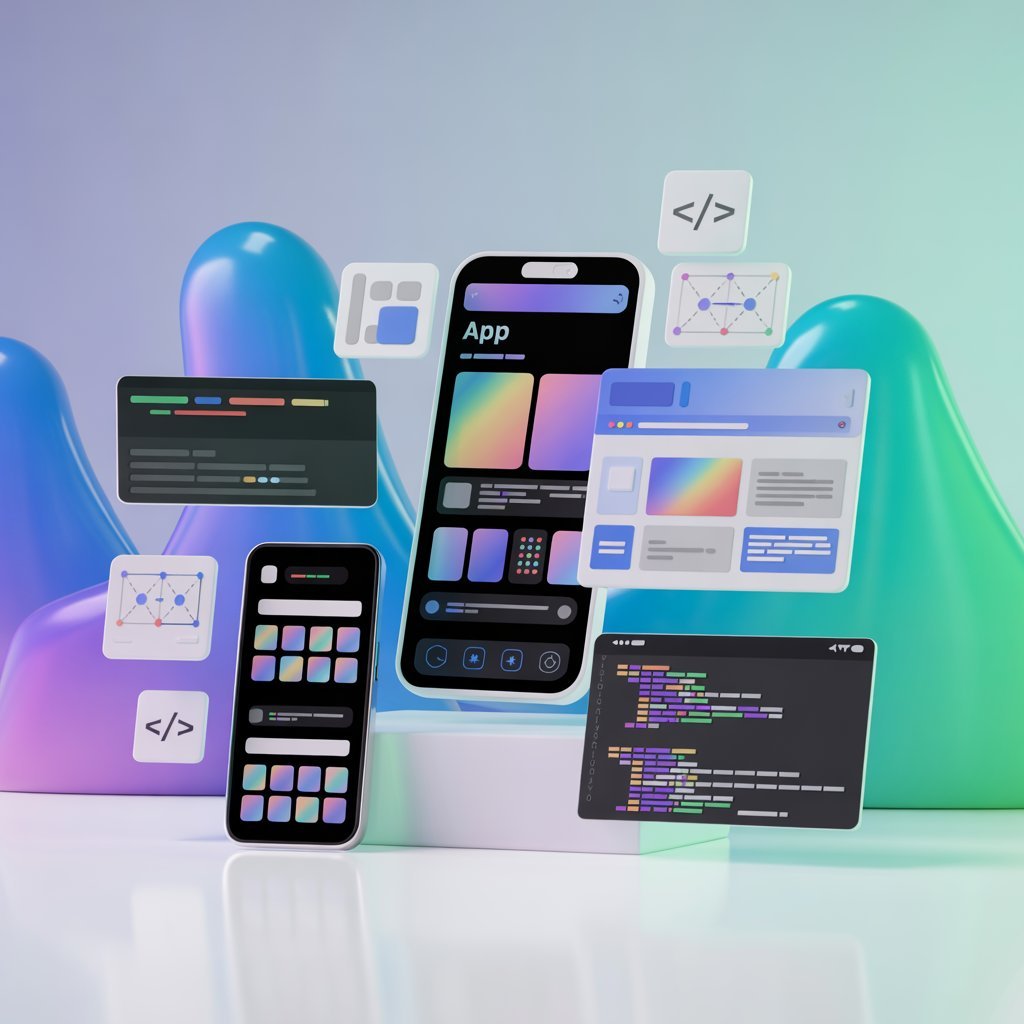
In today’s digital world, mobile applications have become an essential part of everyday life. People use mobile apps for communication, shopping, entertainment, banking, education, and many other services. Because smartphones are used by millions of people in the United States, businesses are increasingly investing in mobile applications to connect with customers and improve their services.
One important concept in the technology industry is custom mobile app development. Unlike standard apps that are designed for general use, custom mobile applications are created specifically for a business, organization, or unique purpose.
Custom apps are designed to meet specific requirements, provide better functionality, and deliver a more personalized experience for users. This makes them a powerful tool for companies that want to grow in a competitive digital marketplace.

In this guide, we will explain what custom mobile app development is, why businesses choose it, how the development process works, and what benefits it offers.
What Is Custom Mobile App Development?
Custom mobile app development refers to the process of designing and building mobile applications that are tailored to meet specific business needs. These applications are developed based on the goals, features, and requirements of a particular organization.
Unlike ready-made applications, custom apps are built from scratch. Developers work closely with businesses to understand their operations, customer needs, and technical requirements.
Custom mobile apps can be designed for different platforms, including:
Android smartphones
iOS devices such as iPhones and iPads
Cross-platform mobile systems
These apps may include features such as user accounts, payment systems, real-time notifications, data management tools, and advanced security.
Businesses choose custom mobile applications because they allow greater flexibility and control over how the app functions.
Why Businesses Choose Custom Mobile App Development
Companies in the United States are increasingly adopting mobile applications to improve customer engagement and operational efficiency. Custom mobile app development offers several advantages compared to generic software solutions.
Personalized User Experience
Custom apps are designed specifically for the target audience. This means the user interface and features can be optimized to provide the best possible experience.
A well-designed mobile app can make it easier for customers to interact with a business and access services quickly.
Better Integration With Business Systems
Many businesses use multiple digital systems to manage operations. Custom mobile applications can be integrated with existing software such as customer relationship management (CRM) tools, databases, and payment systems.
This integration improves efficiency and allows businesses to manage data more effectively.
Scalability for Business Growth
As a business grows, its technology needs may also change. Custom mobile applications can be updated and expanded with new features when required.
This scalability ensures that the app continues to support the company’s growth over time.
Competitive Advantage
Having a unique mobile app can help a business stand out in a crowded marketplace. Custom applications allow companies to offer services that competitors may not provide.
This advantage can improve customer loyalty and strengthen brand recognition.
The Custom Mobile App Development Process
Developing a mobile application involves several stages. Each step ensures that the final product meets the needs of both the business and its users.
Planning and Requirement Analysis
The development process begins with understanding the goals of the project. Developers work with business owners to identify the app’s purpose, target audience, and main features.
During this stage, a clear development strategy is created.
App Design and User Interface
The design phase focuses on creating an intuitive and attractive user interface. Designers develop layouts, navigation structures, and visual elements that improve usability.
A well-designed interface ensures that users can easily interact with the application.
Application Development
In this stage, developers start building the actual app using programming languages and development frameworks.
The app’s functionality, database systems, and integrations are implemented during this phase.
Testing and Quality Assurance
Before launching the app, it must be thoroughly tested. Testing ensures that the application works correctly on different devices and operating systems.
Developers check for bugs, security issues, and performance problems.
Launch and Deployment
Once testing is complete, the mobile application is published on platforms such as the Apple App Store or Google Play Store.
After launch, developers may continue to monitor performance and provide updates.
Mobile applications have become an essential part of modern life. People use apps for communication, entertainment, shopping, education, banking, and many other daily tasks. Because smartphones are widely used around the world, businesses and developers continue to create new mobile applications to meet user needs.
However, not all mobile apps are built in the same way. There are different types of mobile apps, and each type has its own advantages and disadvantages. Understanding these differences helps businesses and developers choose the best approach for their projects.
In this article, we will explore the main types of mobile apps and discuss their pros and cons.
Types of Mobile Apps: Pros & Cons
1. Native Mobile Apps
Native apps are applications that are built specifically for a particular mobile operating system. For example, developers create apps for Android using programming languages like Java or Kotlin, while iOS apps are developed using Swift or Objective-C.
These apps are installed directly on the device through app stores.
Pros of Native Apps
High Performance: Native apps are optimized for the operating system, which allows them to run smoothly and quickly.
Better User Experience: They follow platform-specific design guidelines, which makes them easier to use.
Full Access to Device Features: Native apps can easily use device hardware such as cameras, GPS, and sensors.
Strong Security: Since they are built for a specific platform, they often have better security measures.
Cons of Native Apps
Higher Development Cost: Developers must build separate apps for Android and iOS.
Longer Development Time: Creating two separate versions can increase development time.
Maintenance Challenges: Updates must be applied separately to each platform.
2. Web Apps
Web apps are applications that run inside a mobile web browser rather than being installed on the device. Users access these apps through a website link.
They are built using web technologies such as HTML, CSS, and JavaScript.
Pros of Web Apps
Lower Development Cost: Only one version is needed because the app runs in a browser.
Easy Updates: Changes can be made instantly without requiring users to download updates.
No Installation Required: Users can access the app directly through a browser.

Cons of Web Apps
Limited Device Access: Web apps may not fully access hardware features such as cameras or sensors.
Internet Dependency: They usually require an internet connection to function.
Lower Performance: Compared to native apps, web apps may run slower.
3. Hybrid Mobile Apps
Hybrid apps combine elements of both native and web applications. They are developed using web technologies but packaged inside a native container that allows them to be installed like a regular mobile app.
Frameworks such as React Native or Ionic are often used to create hybrid apps.
Pros of Hybrid Apps
Cross-Platform Development: A single codebase can work on multiple platforms.
Faster Development: Developers can build one app that works on both Android and iOS.
Lower Cost: Development costs are generally lower than building separate native apps.
Cons of Hybrid Apps
Performance Limitations: Hybrid apps may not perform as smoothly as native apps.
Limited Access to Advanced Features: Some device capabilities may be harder to implement.
Dependency on Frameworks: Performance and functionality depend on the framework used.
4. Progressive Web Apps (PWAs)
Progressive Web Apps are advanced web applications designed to behave like mobile apps. They can be installed on a device and offer features such as offline access and push notifications.
PWAs use modern web technologies to create a more app-like experience.
Pros of Progressive Web Apps
Fast and Lightweight: PWAs load quickly and use minimal device storage.
No App Store Required: Users can install them directly from a browser.
Offline Functionality: Some features can work even without an internet connection.
Lower Development Cost: One version can work across different platforms.
Cons of Progressive Web Apps
Limited Device Integration: Some hardware features may not be fully supported.
Compatibility Issues: Not all browsers support every PWA feature.
Lower Visibility: Apps that are not in app stores may receive less user attention.
Choosing the Right Type of Mobile App
Selecting the right type of mobile app depends on several factors, including business goals, budget, target audience, and required features.
For example:
Businesses that need high performance and advanced features often choose native apps.
Startups with limited budgets may prefer hybrid apps.
Companies focusing on simple online services might use web apps or progressive web apps.
Each option offers unique advantages, so the best choice depends on the specific needs of the project.
Key Features of Successful Custom Mobile Apps
A successful mobile application should include features that improve usability, security, and performance.
User-Friendly Interface
The design of the app should be simple and easy to navigate. A clear interface helps users quickly understand how to use the application.
Strong Security Measures
Security is extremely important for mobile applications, especially those that handle personal or financial data.
Custom apps often include encryption, secure login systems, and data protection technologies.
Fast Performance
Users expect mobile apps to load quickly and respond smoothly. Optimizing performance ensures a better user experience.
Push Notifications
Push notifications allow businesses to communicate directly with users. This feature is useful for updates, promotions, and reminders.
Industries That Use Custom Mobile Apps
Custom mobile applications are used in many industries across the United States.
E-Commerce
Online retailers use mobile apps to provide convenient shopping experiences for customers. These apps often include product catalogs, payment systems, and delivery tracking.
Healthcare
Healthcare organizations use mobile apps for appointment scheduling, patient monitoring, and communication with medical professionals.
Education
Educational institutions use mobile apps to provide online learning materials, assignments, and communication tools for students.
Finance and Banking
Banks and financial institutions use mobile applications to allow customers to manage accounts, transfer money, and monitor transactions securely.
Future Trends in Mobile App Development
The mobile app industry continues to evolve as new technologies emerge. Several trends are shaping the future of custom mobile app development.
Artificial Intelligence Integration
Artificial intelligence can help mobile apps provide personalized recommendations and automate customer support.
Internet of Things (IoT)
Mobile apps are increasingly being used to control smart devices such as home automation systems and wearable technology.
Cloud-Based Applications
Cloud technology allows mobile apps to store and process data more efficiently, improving scalability and performance.
Enhanced Security Technologies
As cyber threats continue to grow, developers are focusing on stronger security systems to protect user data.
Conclusion
Custom mobile app development has become an essential strategy for businesses that want to succeed in the modern digital economy. By creating applications tailored to specific needs, companies can improve customer engagement, streamline operations, and build stronger brand relationships.
Unlike generic software solutions, custom mobile applications provide flexibility, scalability, and unique functionality that supports long-term business growth.
As smartphone usage continues to increase across the United States, the demand for innovative mobile applications will also continue to grow.
Businesses that invest in well-designed custom mobile apps can gain a significant advantage in today’s competitive marketplace.


Hi, I’m Shan, the Admin behind MKNK. I’m passionate about smartphones and automobiles, and I enjoy researching new technology, vehicle launches, and market updates. I started MKNK to share reliable information, practical insights, and easy-to-understand guides for everyday users. I focus on accuracy, originality, and real value so readers can trust what they read and make informed choices.