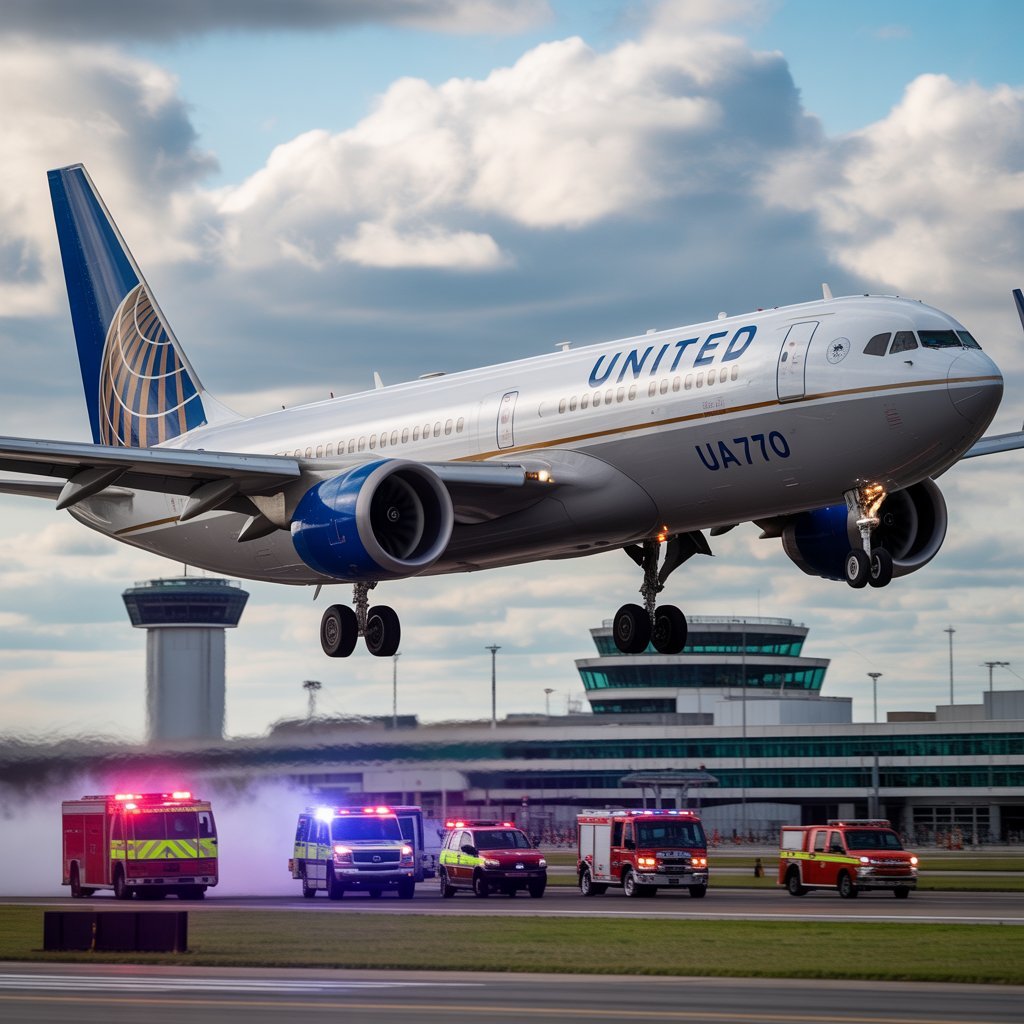
Air travel is one of the safest ways to travel today. Millions of passengers fly every day across the United States and around the world. However, sometimes flights must change their route unexpectedly due to safety concerns or technical issues. One such situation that gained attention online involved United Airlines Flight UA770 emergency diversion.
When an aircraft diverts from its original destination, it usually happens because the crew needs to handle a situation that requires immediate attention. Airlines follow strict safety procedures to protect passengers and crew members.
In this article, we will explain what an emergency diversion is, what happened with United Airlines Flight UA770, and why airlines sometimes redirect flights to different airports.

What Is an Emergency Diversion?
An emergency diversion happens when a plane changes its planned route and lands at a different airport than originally scheduled. This decision is made by the flight crew when continuing the flight could present a risk or when immediate assistance is needed.
Diversions are not very common, but they are part of normal aviation safety procedures. Pilots are trained to handle many different situations and always choose the safest option.
Airlines like United Airlines follow strict safety regulations set by authorities such as the Federal Aviation Administration.
These regulations ensure that passengers remain safe even when unexpected situations occur.
United Airlines Flight UA770 Emergency Diversion
The United Airlines Flight UA770 emergency diversion attracted attention when the aircraft had to change its route and land at an alternate airport. Situations like this often lead to questions from passengers and the public.
While exact details can vary depending on the incident, emergency diversions usually occur for one of several reasons:
Medical emergencies
Mechanical concerns
Severe weather conditions
Cabin pressure issues
Security concerns
In many cases, the flight crew decides to divert the aircraft as a precaution. Safety is always the top priority in aviation, and even a small concern can lead to a diversion.
Passengers on flights like UA770 are typically informed by the captain once the situation is under control.
Common Reasons Flights Are Diverted
Emergency diversions may sound alarming, but they are usually handled quickly and professionally. Pilots, air traffic controllers, and ground teams work together to ensure a safe landing.
Below are some common reasons flights may divert.
1. Medical Emergencies
One of the most common reasons for diversions is a medical emergency involving a passenger or crew member.
If someone experiences a serious health issue during the flight, the pilot may decide to land at the nearest airport so medical teams can assist immediately.
Airlines often coordinate with emergency responders before landing.
2. Mechanical or Technical Concerns
Modern aircraft are extremely reliable, but pilots are trained to take any mechanical concern seriously.
If the crew notices a potential technical issue, they may divert the flight to allow engineers to inspect the aircraft.
These decisions are made as a safety precaution.
3. Severe Weather
Weather conditions can change quickly during a flight. Thunderstorms, strong winds, or poor visibility can make landing at the planned airport unsafe.
In such cases, pilots may redirect the aircraft to a nearby airport where conditions are safer.
4. Security Situations
Although rare, security concerns can also cause a diversion. If the crew receives information about a possible threat or suspicious situation, they may land the aircraft early.
Security teams then investigate the situation after landing.
What Happens During an Emergency Diversion?
When a flight diverts, several coordinated steps take place to ensure passenger safety.
Communication With Air Traffic Control
The pilot immediately informs air traffic control about the situation. Controllers then guide the aircraft to the nearest suitable airport.
Airports chosen for diversions must have appropriate runway length, emergency services, and ground support.
Passenger Communication
The flight crew typically informs passengers about the diversion once the situation is stable.

Passengers may receive updates about the reason for the diversion and what to expect after landing.
Emergency Preparedness
Airport emergency teams are often placed on standby during an emergency diversion. This ensures medical staff, firefighters, or technicians are ready if needed.
How Airlines Support Passengers After Diversions
After a diverted flight lands, airlines work to assist passengers and continue their travel plans.
Rebooking Flights
Passengers may be placed on another flight to reach their original destination.
Providing Accommodation
If the diversion causes a significant delay, airlines may provide hotel accommodations or meal vouchers depending on the situation.
Technical Inspections
Engineers inspect the aircraft before it is allowed to fly again. This ensures that any potential issue is fully resolved.
Airlines follow strict maintenance procedures before returning the aircraft to service.
Are Emergency Diversions Dangerous?
Many passengers worry when they hear about emergency diversions, but these events are usually precautionary measures.
Modern aircraft are equipped with advanced monitoring systems that detect potential problems early.
Pilots receive extensive training to handle unexpected situations safely.
In fact, the aviation industry is one of the most highly regulated transportation sectors in the world. Authorities such as the Federal Aviation Administration enforce strict safety rules to protect travelers.
Because of these systems and procedures, diversions often help prevent more serious problems.
Safety Measures in Modern Aviation
Airlines invest heavily in safety systems and training to ensure that flights operate safely.
Some of the most important safety measures include:
Advanced aircraft monitoring systems
Regular aircraft maintenance checks
Pilot training and simulations
Real-time weather monitoring
Communication with air traffic control
These measures help airlines respond quickly when unexpected situations arise.
What Passengers Should Do During a Diversion
Passengers usually do not need to take any special action during a diversion. However, following crew instructions is always important.
Here are a few helpful tips for travelers:
Stay Calm
Diversions are often precautionary and handled by trained professionals.
Listen to Crew Instructions
Flight attendants will provide guidance if necessary.
Remain Seated When Required
During landing or turbulence, passengers should follow seatbelt instructions.
Being calm and cooperative helps ensure the situation is handled smoothly.
Conclusion
The United Airlines Flight UA770 emergency diversion highlights how the aviation industry prioritizes safety above all else. While unexpected route changes can cause concern among passengers, diversions are often precautionary decisions made to protect everyone on board.
Airlines such as United Airlines follow strict safety guidelines and work closely with authorities like the Federal Aviation Administration to ensure every flight operates safely.
Emergency diversions are a normal part of aviation safety procedures, and trained crews are always prepared to handle them professionally.
For passengers, understanding why diversions happen can help reduce stress and build confidence in the safety of modern air travel.


Hi, I’m Shan, the Admin behind MKNK. I’m passionate about smartphones and automobiles, and I enjoy researching new technology, vehicle launches, and market updates. I started MKNK to share reliable information, practical insights, and easy-to-understand guides for everyday users. I focus on accuracy, originality, and real value so readers can trust what they read and make informed choices.